Winter Camping Japan: Top Spots, Essential Gear, and Safety Tips
Jump to:
Winter camping in Japan is a growing trend among outdoor lovers, photographers, and travelers looking for peaceful nature experiences. While camping in Japan is often associated with cherry blossoms or summer festivals, winter camping in Japan offers something truly special: snow-covered landscapes, fewer crowds, and a deeper connection to nature. From cozy campfires under starry skies to soaking in nearby hot springs, winter camping can be both challenging and deeply rewarding.
Camping in Japan has evolved rapidly over the past decade. Many people ask, is camping popular in Japan? The answer is a resounding yes, especially since outdoor travel became a mainstream hobby. Winter camping, once considered a niche activity for extreme mountaineers, is now embraced by both locals and international visitors seeking quiet campsites and dramatic scenery.
Whether you are curious about what camping is like in colder months or are already experienced with travel camping, winter opens up a unique side of Japanese camping culture. It is a season defined by bonfire culture, where the focus shifts from active hiking to the art of staying warm and enjoying slow-cooked seasonal meals.
Why Try Winter Camping?

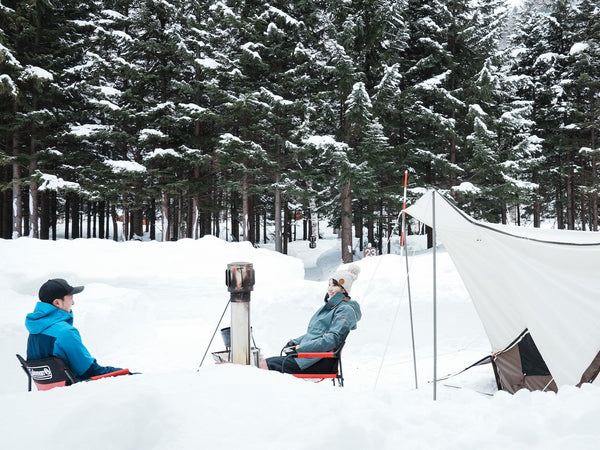
Winter camping in Japan is about atmosphere as much as adventure. Snow transforms familiar camping sites in Japan into serene, monochromatic landscapes, often surrounded by towering mountains, frozen lakes, and ancient pine forests.
Key reasons to try winter camping:
-
Snowy Scenery: Experience iconic views of Mt. Fuji dusted in white, the vast Hokkaido plains, and the dramatic Japanese Alps.
-
Peace and Quiet: You will find far fewer campers compared to the peak summer and autumn seasons, allowing for true solitude.
-
Seasonal Festivals: Many regions host snow festivals and winter illuminations that are easily accessible from nearby campgrounds.
-
Better Campsite Availability: Popular areas that are booked out months in advance during summer are often much easier to reserve.
For many campers, winter also deepens the camping experience, encouraging better preparation, stronger technical skills, and an appreciation for high-quality Japanese camping gear specifically designed for sub-zero conditions.
Top Winter Camping Locations in Japan
Japan offers diverse winter environments, ranging from the heavy powder of the north to the milder, crisper climates of the central coast.
1. Hokkaido (Furano, Lake Shikotsu)

Hokkaido is the heart of winter camping. It offers deep, high-quality powder snow and world-class facilities. Because the conditions here are extreme, many campsites offer "glamping" or heated cabins. RV camping in Japan is especially popular in Hokkaido due to the wide roads and well-maintained "Michi-no-Eki" (roadside rest stops) that remain open year-round and are free to park in overnight, allowing you to sleep in your vehicle with access to bathrooms, hot drinks and food, and sometimes even showers.
2. Mt. Fuji Camping Areas (Yamanashi & Shizuoka)

Mt. Fuji camping in winter is stunning, and the campsites are plentiful. Sites around Yamanashi, in particular, offer wide-open plains with unobstructed views of the mountain. While the views are legendary, the wind coming off the mountain can be fierce. Proper anchoring of your tent and high-quality heating tools are non-negotiable here.
3. Nagano (The Japanese Alps)

Nagano is the premier destination for those who want to combine snow camping with Japan’s famous onsen (hot spring) culture. Many sites are located near ski resorts, allowing you to enjoy snow sports by day and a quiet campfire by night.
4. Tohoku Region

The northern part of Honshu remains one of the best-kept secrets for winter campers. It offers a more traditional, rural setting. If you are looking for a guide on camping in Japan for beginners, Tohoku provides a great mix of accessible campsites and wild, untouched nature.
5. Kansai

If you’d like to try winter camping without being surrounded by snow, check out the mountains of Kansai prefecture. Campsites in Hyogo and Osaka offer easy access to onsen hot springs, restaurants, and the big city.
Types of Winter Camping: Finding Your Comfort Zone

Winter camping doesn’t look the same for everyone. Choosing the right style helps balance comfort and adventure.
-
Tent Camping: This is the most immersive way to experience the cold. It requires a dedicated four-season tent, snow stakes, and a high quality sleeping pad.
-
RV Camping in Japan: A fantastic choice for families. RVs provide insulation and integrated heating systems, serving as a warm "basecamp" after a day in the snow.
-
Cabin Camping: Most campsites in Japan offer cabins, bungalows, or lodges that are reasonably priced and heated. These are a great way to experience the outdoors with the comforting touch of home, at significantly less than the typical “glamping” pricepoint.
Essential Gear for the Cold

Having the right gear can make or break your trip. Japanese camping gear is world-renowned for its thoughtful design and efficiency in cold weather.
Wood Stoves
In the Japanese winter camping scene, the "one-pole tent" or "teepee" style paired with a wood stove is the gold standard. A specialized tool like the PTYGRACE Fire One Wood Stove is a game-changer. This portable outdoor stove comes with a chimney, allowing you to safely vent smoke while keeping the area around your tent incredibly warm.
Fire Management
Maintaining a fire in the winter can be difficult due to moisture and wind. To keep your coals glowing and your temperature steady, an Aluminum Fire Blower Stick is an essential lightweight tool. It allows you to direct oxygen into the heart of the fire without getting too close to the sparks.
Winter Cooking Must-Haves
Winter meals should be high in calories and served hot. Slow-cooked stews and smoked meats are staples of the season. For a truly authentic experience, the PTYGRACE Iron Smoker is a durable, heavy-duty pot that can be used for smoking or grilling right at your campsite. For more ideas on what to pack for your outdoor kitchen, check out this camping cookware checklist.
Planning Your Winter Trip: Logistics and Safety
Planning is more critical in winter than in any other season.
1. Reservations and Permits
Not all campsites operate year-round. Many close in late November. Always confirm winter availability and check if the site offers snow-clearing services for your vehicle.
2. Seasonal Accessibility
Mountain roads in Japan are often subject to closure or require winter tires and snow chains by law. Check local prefecture websites and weather apps before departing.
3. Weather Awareness
Japan’s winter weather can change in minutes. Whiteout conditions are possible in Hokkaido and Tohoku. Monitor snowfall, wind speeds, and avalanche warnings, especially if you are camping in alpine regions.
Safety and Etiquette in the Snow

Safety should always come first when winter camping in Japan.
-
Hypothermia Prevention: Stay dry at all costs. Sweat is your enemy in the cold, so layer your clothing and remove layers before you start to overheat during physical activity.
-
Carbon Monoxide Safety: If you use a stove or heater inside a tent or vehicle, you must use a carbon monoxide detector and ensure there is constant ventilation.
-
Campsite Rules: Japanese camping culture emphasizes "Leave No Trace." In winter, this includes properly disposing of charcoal and making sure you don't leave behind any garbage - most campsites insist that you take all garbage home with you.
-
Wildlife Awareness: While most bears hibernate, in southern regions or during particularly warm winters, they can remain active. Store food in airtight containers or inside your vehicle.
Tips for First-Time Winter Campers
If this is your first winter trip, start small. You don’t need to climb a mountain to enjoy the snow.
-
Try "Day Camping" First: Many campsites offer day camping, where you can set up your tent and gear during the day to see how your stove and clothing perform, while enjoying a nice meal and some time outdoors.
-
Camp Close to Facilities: Choose a site with a heated restroom and a nearby access to food and water.
-
The "Boiler" Method: Before going to sleep, fill a heat-resistant water bottle with boiling water, wrap it in a towel, and place it at the bottom of your sleeping bag.
-
Explore the Full Range: For a successful trip, ensure you have a variety of other camping tools such as snow shovels and insulated lanterns.
Conclusion: Making the Most of Japan’s Winter Outdoors
Winter camping in Japan offers a rare blend of challenge, beauty, and cultural depth. From the snowy lakes of Hokkaido to the silent, majestic presence of Mt. Fuji, the season reveals a side of the country that most tourists never see.
With thoughtful planning, the right Japanese camping gear, and a deep respect for the elements, winter can become your favorite season to explore. Whether you prefer the luxury of an RV, the flexibility of car camping, or the ruggedness of a tent, the Japanese winter invites you to slow down, stay warm, and truly connect with the natural world. For those willing to prepare, Japan’s winter outdoors deliver unforgettable experiences that stay with you long after the snow melts.


0 comments