What is Rust and How to Prevent it?
Jump to:
Rust tends to be one of those issues that stays out of sight and out of mind until it becomes too obvious to overlook. A faint orange stain on a tool or bike might appear insignificant, yet the same chemical process can slowly weaken buildings, vehicles, and essential structures.
Rust isn’t just an aesthetic nuisance; it’s a reaction that steadily eats away at metal, diminishing its durability and shortening its lifespan. Knowing what rust is, which materials are vulnerable, and how to prevent or eliminate it is crucial for anyone who works with or cares for metal items.
This piece outlines how rust forms, clarifies how it differs from other types of corrosion, looks at its practical consequences, and covers both prevention strategies and effective removal techniques. It wraps up with advice on safeguarding cleaned metal and a brief overview of steps that help keep rust in check.
What Is Rust?

Rust is a particular form of corrosion that develops when iron comes into contact with oxygen and moisture. Chemically speaking, rust is iron oxide, produced through oxidation. During this reaction, iron atoms give up electrons to oxygen, creating the well-known reddish-brown substance that flakes off the surface.
The real trouble comes from the fact that iron oxide takes up more volume than the metal it replaces. As it forms, it swells, breaks through coatings, and exposes fresh iron beneath. That newly exposed metal can then react with oxygen and moisture all over again, speeding up the cycle.
Unlike some corrosion byproducts that create a protective barrier, rust is fragile and porous, so once it starts, it usually keeps spreading rather than stopping on its own.
What Types Of Metals Rust?
Only iron and iron-based alloys truly “rust,” even though the term is often used to describe any kind of metal deterioration. Materials such as carbon steel, cast iron, wrought iron, and many everyday steels can all rust when they’re exposed to moisture and oxygen.
Other metals also break down over time, but the chemical reactions involved are different. Aluminum, for example, forms a tightly bonded layer of aluminum oxide that actually protects the metal beneath from further corrosion. Copper gradually develops a green patina, while brass and bronze usually darken or form surface films instead of flaking apart.
Stainless steel resists rust because its chromium content creates a protective oxide layer similar to aluminum’s. Although stainless steel can still corrode under harsh conditions, it doesn’t rust the way ordinary steel does. Understanding these differences helps explain why some metals can withstand outdoor environments for decades while others deteriorate much more quickly.
What Are The Effects Of Rust?
Rust affects far more than just how something looks. On a structural level, it weakens metal by slowly reducing its thickness and compromising its internal strength. In load-bearing parts, like beams, bolts, vehicle frames, and machinery components, this loss of material can lead to serious failures.
Even a thin layer of rust can diminish strength over time, especially when corrosion develops in crucial spots. Rust also shortens the useful life of metal items by increasing wear and contributing to fatigue. Tools, appliances, and outdoor equipment that could last for decades may fail much sooner if rust is allowed to spread.
Visually, rust leads to stains, peeling paint, and rough, uneven surfaces that make objects appear worn out or unsafe. Beyond appearance and strength, rust can cause additional headaches by freezing moving parts, clogging mechanical systems, and locking bolts or screws in place, ultimately making maintenance and repairs more complicated and costly.
How To Prevent Rust?

Because rust is so damaging, prevention is usually the most effective strategy. Most rust-prevention methods focus on reducing iron’s exposure to moisture and oxygen.
The most effective methods include the following:
Keep metal clean and dry
Keeping metal clean and dry is one of the easiest and most reliable ways to slow corrosion. Since water is essential for rust to form, drying tools after use, storing items indoors or under cover, and avoiding long-term contact with damp surfaces can make a big difference.
Dirt, salt, and grime can hold moisture against metal, so regular cleaning is equally important, especially in coastal or high-humidity areas where corrosion tends to develop more quickly.
Apply protective coatings
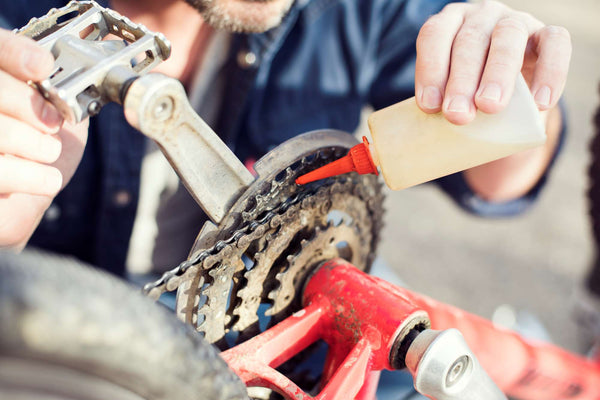
Protective coatings offer another strong layer of defense. Paints, varnishes, and powder coatings create physical barriers that keep moisture and oxygen away from the metal surface. Oils and greases can also protect tools and machinery, especially when they’ll be stored for long periods.
Use galvanized metal when possible
Galvanizing is an especially effective method for steel because it coats the metal with zinc. The zinc corrodes first, sacrificing itself to shield the iron beneath. Even if a galvanized surface gets scratched, the surrounding zinc can continue to protect the exposed steel.
Choose rust-resistant materials
Choosing the right metal from the start is another key preventive step. Stainless steel, aluminum, and galvanized steel often justify their higher upfront cost in environments where moisture is unavoidable, since they greatly reduce long-term maintenance and replacement needs.
How to Remove Rust? Practical Tips That Work

Rust can still develop even with good prevention. Coatings wear down, moisture finds hidden gaps, and many older or second-hand items already show corrosion when you get them. In these cases, stopping rust from forming isn’t enough. Active removal is needed to prevent further damage and restore the item’s usefulness.
Home Remedies
For light surface rust, simple household remedies often work well. A baking-soda paste can lift mild rust without harming the metal. Vinegar’s acetic acid dissolves iron oxide, making it useful for soaking small parts, though long exposure can affect bare metal.
Potatoes with salt or baking soda, as well as lemon juice mixed with baking soda, provide gentle acidic action for minor rust. These methods are inexpensive and accessible but best suited for small jobs and require some scrubbing.
For more methods, read our homemade remedies guide on how to remove rust from metal.
When Stronger Measures are Required
When home remedies are not effective, commercial products are often the fastest way to remove rust from metal. You may find that this rust remover works well, especially on heavy or deeply bonded corrosion.
Acid-based rust removers containing phosphoric or hydrochloric acid dissolve rust quickly and are highly effective. However, they must be used with proper safety gear and adequate ventilation.
Rust converters offer an alternative when complete removal is not practical. Instead of dissolving rust, they chemically transform iron oxide into a stable, protective layer that can be painted over. Powder cleansers and gel-based removers combine mild abrasives with chemical agents and are commonly used on household items such as sinks, grills, and metal hardware.
Manual Methods
Physical effort plays a major role in many rust-removal jobs. Wire brushes, scrapers, steel wool, and sandpaper can clear away loose, flaky rust and smooth the surface, making them ideal for prepping metal before painting or applying protective coatings.
Power tools like rotary tools or angle grinders with wire wheels can strip heavy rust quickly, but they require care to avoid removing too much metal or harming the underlying structure. Often, mechanical and chemical methods are used together: manual or powered tools take off the loose rust, and chemical treatments handle the remaining corrosion.
Post-Removal Care
Once rust has been removed, protecting the cleaned metal is crucial to keep it from returning. Freshly exposed metal can begin rusting again very quickly, sometimes within hours, if moisture is present.
Thorough drying after cleaning or rinsing is essential. Applying a protective coating right away helps seal the surface and keep out moisture and oxygen. Depending on the item, this might mean painting, using a rust-inhibiting primer, applying oil or wax, or adding a specialized corrosion-resistant coating. Regular inspection and maintenance are also important, since small chips or worn areas can be repaired before rust has a chance to spread again.
Final Thoughts on Rust Prevention and Removal
In summary, rust is a natural but highly destructive process that affects iron-based metals whenever oxygen and moisture are present. Although only iron and its alloys truly rust, all types of corrosion can weaken metal, shorten its lifespan, and diminish its appearance if they’re not addressed.
Preventive steps, such as keeping metal clean and dry, applying protective coatings, and selecting rust-resistant materials, remain the most reliable way to control rust before it starts. These measures not only slow corrosion but also reduce long-term maintenance and repair costs.
When rust does appear, however, quick action is essential. Removing it promptly with household remedies, commercial chemicals, or manual tools can halt further deterioration and restore the metal’s function. The method chosen often depends on the severity of the rust, the type of object, and the level of precision required.
After rust has been cleared away, protecting the newly exposed metal is just as important as the removal itself. Fresh metal surfaces can begin corroding again very quickly, so applying paint, primers, oils, waxes, or other protective coatings helps seal out moisture and oxygen. Regular inspection and maintenance ensure that small chips, scratches, or worn areas are repaired before rust has a chance to return.
By understanding how rust forms and responding promptly, it becomes possible to preserve metal objects, extend their useful life, and avoid the higher costs, safety risks, and structural problems associated with advanced corrosion.
Do you have a favorite method for dealing with rust? Let us know in the comments.


0 comments