How to Fix a Squeaky Door Hinge Fast and Easy
Jump to:
A squeaky door is a small annoyance that can quickly become frustrating, yet it’s usually simple to fix once you identify the cause. In most cases, the noise comes down to a few common issues: dry hinges, metal-on-metal friction, a buildup of dust or grime, or slight misalignment that causes the door to rub as it moves. The good news is that these problems are typically easy to resolve with basic tools and just a few minutes of attention.
In this guide, we’ll walk you through the most effective lubricants and household solutions, from WD-40 and silicone spray to everyday oils and petroleum jelly, explaining when each option works best. We’ll also cover a range of repair methods, from quick fixes that don’t require removing the hinge to more thorough approaches involving the hinge pin, as well as a complete step-by-step process for a lasting solution.
Because not all squeaks have the same cause, we’ll also touch on specific cases such as garage doors, which require added safety precautions, and car doors, where hinges and weather seals behave differently. Finally, we’ll share simple preventative tips to help keep the problem from returning.
Common Causes of a Squeaky Door

A squeaky door is almost always the result of friction; that is two surfaces rubbing together in a way they shouldn’t. Over time, hinges can dry out, collect debris, or shift slightly out of alignment, and that’s when the noise starts. Identifying the underlying cause makes it much easier to choose the right solution.
Dry Hinges
This is the most common cause. Door hinges rely on a thin layer of lubrication to allow the hinge pin to rotate smoothly. When that lubrication wears off, metal begins to rub against metal, producing a sharp squeak or creak with every movement.
Dust and Grime Buildup
Dust, dirt, and even fine metal particles can build inside the hinge over time. This increases friction and often creates a rough, scraping sound. Older doors or those in high-traffic areas are especially prone to this issue.
Hinge Wear and Metal Fatigue
With age, hinge pins and plates can wear down, leading to uneven contact surfaces. This can result in occasional squeaks, particularly when the door is opened or closed at certain angles.
Door Misalignment
If a door begins to sag or the frame shifts, the hinge may no longer sit properly. This misalignment places uneven stress on the hinge pin, causing squeaking, rubbing, or even popping noises during movement.
Environmental Factors
Changes in humidity and temperature, along with the natural expansion and contraction of materials like wood, can affect how smoothly a door operates. As a result, a door that is quiet in one season may become noisy in another.
Rust and Corrosion (Less Common but Important)
On exterior doors or older hinges, rust can develop when moisture reacts with the metal surface. As corrosion builds, it creates rough, uneven contact points that grind against each other, producing a deeper, harsher squeak.
If you notice orange discoloration or pitting, use a rust remover to break down the corrosion before applying lubricant. Addressing the rust first provides a clean surface for the lubricant to adhere to and helps ensure a longer-lasting fix.
Tools & Materials You Can Use
 Fixing a squeaky door doesn’t require specialist tools. In most cases, a suitable lubricant and a few basic household items are all you need. The key is selecting the right product for the specific cause of the noise. Different lubricants interact with metal in different ways, and some provide longer-lasting results than others.
Common materials include:
- WD-40 (cleans and frees stuck parts)
- Silicone spray (long-lasting, low dust attraction)
- Household lubricating oil (effective general use)
- Petroleum jelly (temporary fix)
In our experience, silicone spray works especially well on interior door hinges because it leaves a dry lubricating film that attracts less dust than oil-based products. WD-40 is useful for flushing dirt and moisture from a hinge, but we typically follow it with a dedicated lubricant because the squeak often returns sooner when WD-40 is used alone.
Basic tools that you may use include:
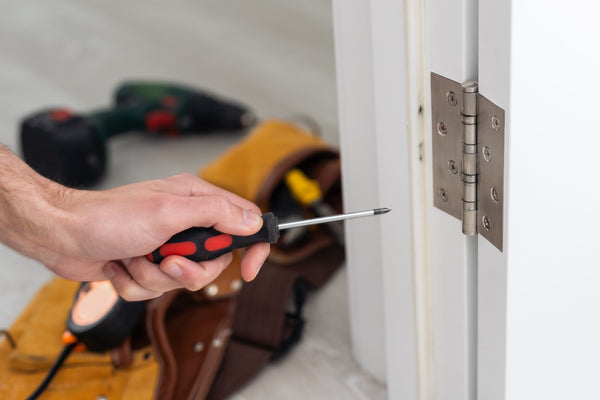
- Screwdriver for tightening loose hinge screws or removing the hinge pin.
- Hammer and nail punch may also be used for gently tapping out a stubborn hinge pin.
- Cloth or paper towels are useful for cleaning away residual grease, dust, or excess lubricant.
- A mild cleaner may also be useful if the hinge is visibly dirty or sticky prior to lubrication.
Learn more about choosing the right screwdriver in our guide, What’s the Best Brand of Screwdrivers? 5 Japanese Screwdriver Brands.
If you need to tap out a hinge pin or perform more involved repairs, check out A Complete Guide to Hammers: 19 Different Hammers You Should Know.
Method 1: Quick Fix Without Removing the Hinge
If you’re looking for the quickest and simplest way to stop a squeak, start here. This method resolves most everyday issues in just a minute or two by lubricating the hinge without taking anything apart.
1. Identify the Source of the Noise
Open and close the door slowly and listen carefully. In most cases, only one hinge is responsible. Lightly touch each hinge as the door moves, you’ll often feel a slight vibration in the one causing the squeak.
2. Clean the Hinge Area
Wipe around the hinge knuckles with a cloth or paper towel to remove dust and surface debris. This allows the lubricant to reach the moving parts more effectively.
3. Apply Lubricant
Use a straw-tip spray (such as WD-40 or silicone spray) or a small amount of oil or petroleum jelly. Apply it to the top of the hinge and along the seam where the hinge pin rotates. Only a small amount is needed.
4. Work the Door
Open and close the door several times to help distribute the lubricant inside the hinge. As friction decreases, the squeak should begin to fade or disappear.
5. Remove Excess Lubricant
Wipe away any excess to prevent dust buildup and keep the area clean. This also helps avoid staining nearby surfaces.
6. Repeat If Needed
If the noise improves but doesn’t fully disappear, apply a small additional amount of lubricant and repeat the process. If the squeak persists after a second application, move on to Method 2 for a more thorough repair.
Method 2: Deep Fix by Removing the Hinge Pin
 If surface lubrication isn’t enough, the next step is to remove the hinge pin and treat the hinge internally. This approach addresses the areas where dust, old grease, and metal-on-metal friction tend to accumulate. While it takes slightly longer than Method 1, it provides a more thorough and long-lasting solution.
1. Prepare the Door and Work Area
Keep the door closed to maintain proper hinge alignment. Place a cloth or paper towel beneath the hinge to catch any debris or excess lubricant.
2. Loosen the Hinge Pin
Using a flathead screwdriver and a light tap from a hammer, gently push the hinge pin upward. If it resists, tap it from below with a nail punch or the tip of a small screwdriver. Once loosened, the pin can usually be removed by hand.
3. Clean the Hinge Pin
Wipe the pin thoroughly to remove old grease, dust, and any metal residue. For heavier buildup, use a mild cleaner or a small amount of WD-40 to break down grime before wiping it clean. A smooth, clean pin is key to reducing friction.
4. Lubricate the Pin and Hinge Barrel
Apply a thin, even layer of your chosen lubricant to the hinge pin. Then apply a small amount inside the hinge barrel (the hollow section of the hinge). Silicone spray, household oil, or petroleum jelly are all effective options.
5. Reinsert the Pin and Test the Door
Insert the lubricated pin back into the hinge and tap it gently into place. Open and close the door several times to distribute the lubricant evenly. The squeak should diminish immediately or after a few movements.
6. Clean Up and Check Alignment
Wipe away any excess lubricant around the hinge. If a slight noise remains, inspect the door for alignment issues or loose hardware.
Fixing Loose or Misaligned Doors
Sometimes a squeaky door is caused by loose hardware or minor misalignment rather than a lack of lubrication.
Inspect each hinge screw and tighten any that have worked loose over time. Loose hinges can allow the door to shift during movement, creating additional stress on the hinge pin and producing noise. If a screw no longer holds securely because the hole has become enlarged, the hole may need to be repaired before the screw can provide proper support.
If the door rubs against the frame, sticks when opening, or feels uneven, it may be misaligned. Tightening the hinges often resolves minor alignment issues. If the problem persists, inspect the hinges for signs of wear, bending, or damage. In some cases, replacing worn hinges may be necessary to restore proper alignment and smooth operation.
After making any adjustments, test the door to confirm that the squeak has been eliminated.
Special Cases: Garage Doors and Car Doors
While most squeaky household doors can be fixed using the methods above, garage doors and car doors require slightly different approaches.
How to Fix a Squeaky Garage Door
Garage door squeaks typically come from hinges, rollers, or tracks. Clean away dust and debris before applying lubricant to the affected components.
Apply a silicone-based lubricant to hinges, metal roller bearings, and pivot points, then tighten any loose hardware.
Avoid adjusting springs or tensioned cables, as these components require professional servicing.
Test the door several times to ensure the squeak has been eliminated.
How to Fix a Squeaky Car Door
Car door squeaks are usually caused by dry hinges, check straps, or rubber weather seals.
Clean the affected area and apply silicone spray or light machine oil to the hinges and check strap.
If the noise comes from the weather stripping, use a rubber conditioner or silicone spray to reduce friction.
Open and close the door several times to distribute the lubricant and confirm the noise is gone.
Preventing Future Squeaks
Once a door is operating smoothly, a little routine maintenance can help keep it that way. Most squeaks return when hinges dry out, collect dust, or gradually loosen, issues that are easy to prevent with a few simple habits.
- Lubricate Hinges Regularly - Apply a small amount of silicone spray or household oil every few months to keep the hinge pin moving freely. A light touch is all that’s needed to prevent the metal from drying out and creating friction.
- Keep Hinges Clean - Dust and debris naturally accumulate in hinge joints, particularly on older doors or those near entrances. Wiping them down during regular cleaning helps prevent buildup that can lead to noise.
- Check and Tighten Screws - Hinge screws can loosen over time with repeated use. Periodically tightening them helps maintain proper alignment and reduces stress on the hinge pin, preventing both squeaks and uneven wear.
- Address Misalignment Early - If a door begins to rub against the frame or feels heavier to move, take action early. Simple adjustments, such as tightening screws or correcting slight sagging, can stop minor issues from developing into persistent squeaks.
- Maintain Car Door Seals - For vehicles, applying a rubber conditioner to weather seals a few times a year helps prevent sticking and friction, especially in extreme temperatures.
Conclusion
Most squeaky doors can be fixed with a suitable lubricant, a few basic tools, and a little maintenance. By identifying the source of the noise and applying the appropriate repair method, you can restore smooth, quiet operation and help prevent future squeaks.
With these simple techniques, you can keep doors throughout your home, garage, and vehicle operating quietly and reliably over the long term.


0 comments